
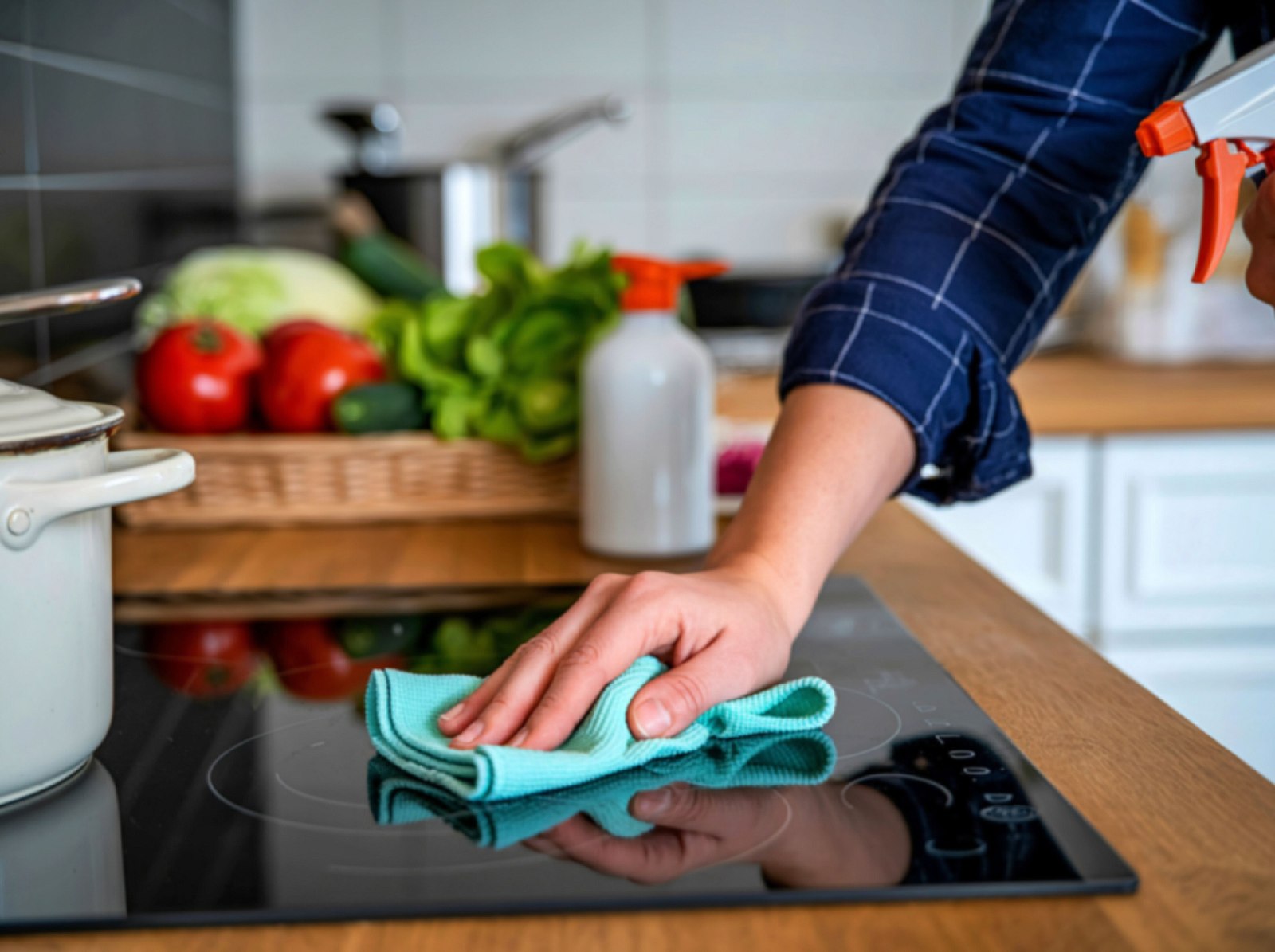
The kitchen is universally acknowledged as the true heart of any Sydney home. It is where morning coffees are brewed, school lunches are packed, and family dinners are prepared. However, because it is the most heavily utilized room in the house, it is also the fastest to accumulate a less-than-desirable layer of airborne grease, carbonized food spills, and hidden bacteria.
Most households maintain a reliable weekly routine of wiping down benchtops and mopping the center of the floor. While this surface-level maintenance is excellent for daily aesthetics, it does not stop grime from settling into microscopic crevices. Over time, cooking oils vaporize, rise, and form a sticky dust-magnet across the tops of your cupboards, inside the microwave grill, and around delicate appliance seals. If you are looking to restore your culinary space to its original showroom condition, a standard wipe-down simply won’t suffice. This comprehensive checklist breaks down the exact methodical system professional teams use to completely sanitize your kitchen.
When professional cleaners approach a kitchen reset, they work systematically from top to bottom, left to right. This ensures that dislodged dust or debris never contaminates an area that has already been meticulously sanitized.
The absolute first step avoids the common mistake of cleaning floors or benchtops too early. Professionals focus heavily on the zones completely out of regular eyesight:
This zone represents the ultimate test for any residential cleaning service. Carbonized food and baked-on fats require targeted treatment rather than blunt force scrubbing, which can permanently scratch delicate stainless steel or ceramic surfaces.
An authentic deep clean requires moving beyond the exterior. If a property is being prepared for a new lease or a seasonal transition, every single cupboard drawer and pantry shelf is emptied completely.
To help you choose the exact service your Sydney home needs right now, it is useful to look at how a professional maintenance checklist compares directly to an intensive deep clean treatment:
Cleaning Task | Regular Weekly Clean | Intensive Deep Clean |
Benchtop & Sink Sanitization | Yes, surface wipe | Yes, including descaling taps |
Microwave Interior & Exterior | Exterior only | Full interior steam and scrub |
Oven & Grill Degreasing | No | Full internal carbon removal |
Inside Cabinets & Drawers | No | Yes, completely cleared & wiped |
Skirting Boards & Kickboards | Quick dust | Hand-wiped and detail-cleaned |
Dishwasher Filter & Door Seals | No | Full debris removal and sanitize |
Absolutely. Modern eco-friendly cleaning technology utilizes plant-derived enzymes and natural surfactants that break down heavy cooking grease and carbon deposits just as effectively as traditional harsh chemicals. This ensures your food preparation areas remain completely free of chemical residues and artificial fumes.
For most standard Sydney households, booking an intensive kitchen deep clean every 3 to 6 months is the ideal rhythm to maintain optimal hygiene. However, large families or individuals who love heavy pan-frying or baking may find a quarterly schedule better avoids stubborn grease buildup.
If you have selected an internal refrigerator clean as part of your deep cleaning package, we highly recommend removing expired items and clearing out major containers. This allows the team immediate access to remove shelves, scrub the drainage channels, and sanitize internal plastic seals safely.